
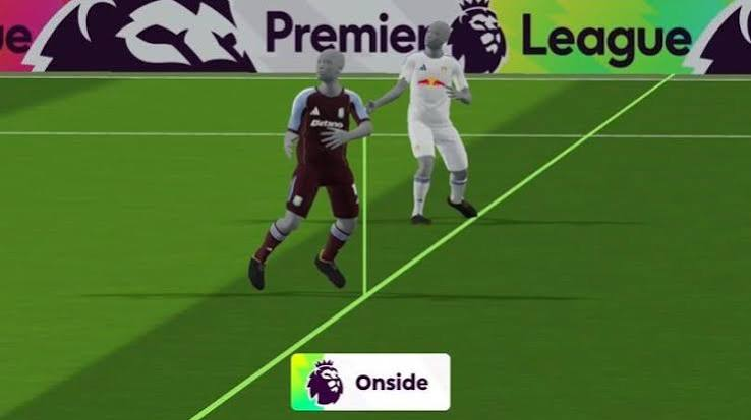
Offside in football is one of the most important rules of the game and often causes considerable controversy on the pitch. Understanding this rule helps viewers analyze exciting situations more easily when watching xem bong da truc tiep tren internet through the 90 Phút TV channel. Let’s explore the definition, regulations, and impact of the offside rule in detail in the article below.

The concept and history of the offside rule
Simply put, offside in football was introduced to prevent attacking players from waiting in the opposition’s half to receive the ball and score easily. This rule requires attacking teams to rely on tactics, skillful coordination, and well-timed movements rather than simply taking advantage of their positioning. Thanks to this regulation, football has become much more exciting, balanced, and tactically sophisticated.
The history of the offside rule has seen numerous changes and revisions to keep pace with the development of modern football. In the 19th century, the original rule required at least three opposing players to stand between the attacker and the goal line. Over time, the International Federation of Association Football (FIFA) adjusted this number to two players, including the goalkeeper, to encourage more attacking and entertaining football.
Today, when watching football highlights on the 90Phut TV platform, viewers can easily spot the extremely precise offside calls made by referees. The continuous improvement of the rules helps protect fair play and deliver top-level matches for fans.
Detailed regulations on offside in football
To determine accurately whether a player has committed an offense, the referee must consider that player’s position at the moment a teammate plays the ball. Understanding the assessment criteria will help you fully enjoy the experience of xem bong da truc tiep tren internet with friends.
Position and timing for determining offside
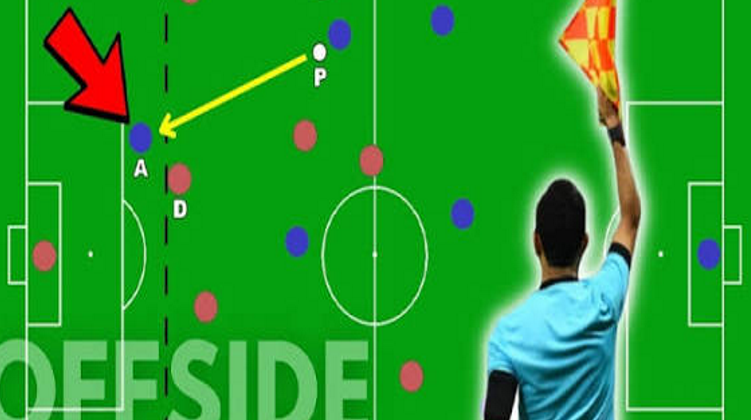
A player is considered to be in an offside position if they are in the opponents’ half and closer to the opponents’ goal line than both the ball and the second-last opponent. However, simply being in this position does not constitute an offense. The referee will only penalize offside in football when that player becomes actively involved in the play.
The offside position is assessed at the moment a teammate touches or plays the ball, not when the player receives it. Therefore, a player can start from an onside position and then move beyond the opposing defensive line to receive a long pass. Cleverly executed offside traps are always an interesting highlight in high-quality football highlights videos on 90p TV.
Conditions for being penalized and exceptions
A player in an offside position is penalized only when they become involved in the play by touching the ball, interfering with an opponent, or gaining an advantage from that position. Interfering with an opponent includes obstructing the goalkeeper’s vision, preventing a defender from moving, or challenging directly for the ball. If the ball rebounds off the goalpost, crossbar, or a save by the goalkeeper and an offside player follows up with a shot, the goal will not be allowed.
In addition, the rules specify several exceptions in which players are not penalized for offside in football. Specifically, a player cannot be offside when receiving the ball directly from a throw-in, a corner kick, or a goal kick. Viewers watching xem bong da truc tiep tren internet should pay attention to these situations to avoid confusion when referees make their decisions.
The role of VAR technology in offside decisions
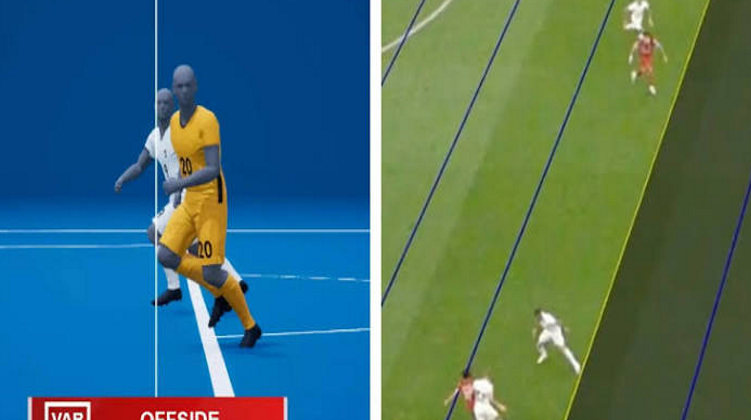
The introduction of Video Assistant Referee (VAR) technology has marked a major turning point in detecting offside in football. With wide-angle camera systems and semi-automated offside lines, referees can make decisions with millimeter-level precision. This eliminates most human errors in major matches.
When watching replays on 90m TV, fans can clearly see which parts of the body are considered when drawing the offside line. Any part of the head, body, or feet that can legally score a goal and is beyond the opposing defensive line can be considered when determining offside. VAR intervention makes matches fairer, although it can sometimes interrupt the flow of play.
The impact of the offside rule on playing tactics
The existence of offside in football requires coaches to constantly innovate and adjust their tactics. For defenders, practicing the offside trap requires coordinated movement and perfect understanding between center-backs and full-backs. Even a minor timing mistake by one player can cause the trap to fail and lead to a conceded goal.
On the other hand, top strikers must continually develop intelligent movement and a keen sense of timing to beat the offside trap. They often position themselves level with the last defender before suddenly accelerating as soon as a teammate swings their leg to make a pass. Brilliant goals scored after beating the offside trap are among the most sought-after moments in the hightlight bóng đá news on 90 Phut.
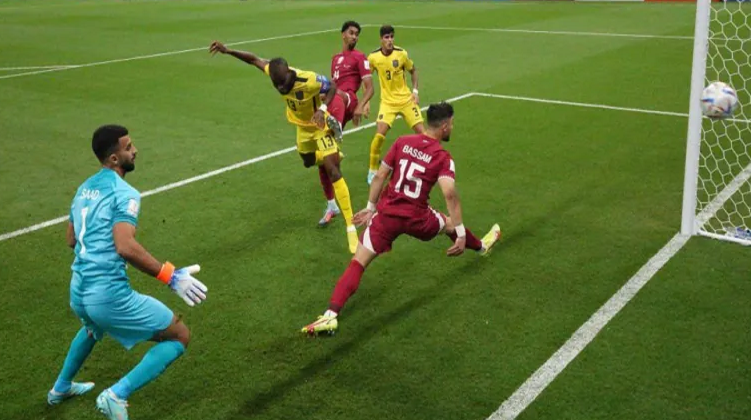
Understanding offside in football makes watching football more enjoyable and helps fans understand the tactical intentions of both teams. Although the rule may continue to evolve in the future, its fundamental role in maintaining the excitement of the world’s most popular sport cannot be denied.